The U.S. solar industry has seen its fair share of ups and downs, but nothing has stirred more conversation lately than the recently passed “One Big Beautiful Bill Act.” While the name might sound playful, its implications are serious—especially for homeowners and businesses in South Carolina and Ohio.  Installers like APSunEnergy who have built their future on the promise of clean energy are adapting to the change and coming up with innovative strategies to provide value and saving for it’s customer.

So, what does this bill actually mean for solar, and where do we go from here?


The End of Generous Tax Credits

For years, the Federal Solar Investment Tax Credit (ITC) has been one of the most important drivers of rooftop solar adoption. By letting homeowners and businesses deduct a large portion of installation costs from their federal taxes, the ITC has made solar more affordable and more attractive.

The new bill, however, phases out these credits much faster than expected. For homeowners, this means if you don’t have your solar system installed and operational before the deadlines, you could lose out on thousands of dollars in savings.

Takeaway for homeowners: If you’ve been on the fence about going solar, now is the time to act. Waiting could literally cost you thousands.


Stricter Supply Chain Rules

The bill also introduces tougher rules around where solar panels and components can be sourced. While the goal is to boost American manufacturing and reduce reliance on imports, the short-term effect could be higher prices and potential delays in panel availability.

Takeaway for buyers: Expect some fluctuation in solar system costs as the industry adapts. Early adopters may still lock in current pricing before supply chain changes ripple through the market.


A Mixed Bag for Developers

Large-scale solar developers face both opportunities and hurdles. While some incentives are being rolled back, the bill does include support for utility-scale projects that can help stabilize the grid. But with higher financing costs and less certainty around tax benefits, developers will need to adapt quickly.


Why Solar Still Shines Bright

Here’s the good news: despite policy changes, solar energy isn’t going anywhere.

  • Costs keep falling: Even without subsidies, solar is one of the cheapest forms of new electricity generation in the U.S.

  • Rising demand for power: Data centers, electric vehicles, and AI-driven technologies are fueling massive electricity needs—renewables like solar are best positioned to fill that gap.

  • State-level support: Many states still offer strong incentives, rebates, and net-metering programs, giving homeowners additional ways to save.

Takeaway: While the bill creates new challenges, solar is still the future of American energy.


What’s Next for Homeowners

If you’re considering solar, the smartest move is to move quickly:

  1. Get a proposal now – Lock in current incentives before deadlines cut them short.

  2. Ask about financing – Even without federal credits, solar loans and PPA options can make solar affordable.

  3. Pair solar with storage – Battery storage is gaining momentum, and homeowners who add it can boost their energy independence.


APSunEnergy’s Perspective

At APSunEnergy, we see this as a call to action. Change in policy always creates uncertainty, but it also creates opportunity for those who act decisively. Our mission is to make sure homeowners like you don’t miss out on the financial and environmental benefits of solar—even in a shifting policy landscape.

💡 Bottom line: The “One Big Beautiful Bill Act” may close one chapter of solar incentives, but the story of solar energy is still being written. And we’re here to help you make sure your home is part of it.  South Carolina and Ohio with adopt to keep lowing our carbon footprints and create a sustainable future.


✅ Ready to see how much you can still save with solar before the credits disappear? [Schedule your free consultation with APSunEnergy today.]
As utility rates rise and sustainability becomes a higher priority, homeowners and businesses across South Carolina are turning to solar energy to reduce their utility bills and carbon footprint. But not all utility companies offer the same benefits when it comes to net metering—the policy that allows you to earn credit for the excess energy your solar panels produce and send back to the grid.

At AP Sun Energy, we help you navigate your solar journey by identifying which electric providers offer the most value for solar customers. Here’s a breakdown of the best electric companies in South Carolina based on their net metering policies, credit rates, and solar friendliness.


What Is Net Metering and Why Does It Matter?

Net metering allows solar system owners to earn bill credits for the excess electricity their system generates. These credits can be used to offset future energy use when the sun isn’t shining (like at night or during storms). The value of those credits depends on your utility’s net metering program—and that’s where it really matters who your provider is.


🔝 Top Electric Companies for Solar Net Metering in South Carolina

1. Dominion Energy South Carolina

  • Net Metering Type: Retail Rate (1:1) for solar customers under the legacy program.

  • Credit Value: Full retail rate per kWh (approx. 12–13¢/kWh).

  • Annual True-Up: Unused credits are paid at the lower “avoided cost” rate at year-end.

  • Best For: Homeowners and small businesses who use most of their power during the day.

  • Pros: High credit value, solid savings potential.

  • Cons: Changes to policies could affect new solar customers—check eligibility.

2. Duke Energy Carolinas / Duke Energy Progress

  • Net Metering Type: Time-of-Use (TOU) with solar incentives (Solar Choice Metering).

  • Credit Value: Varies by time and season. Peak hours = higher savings (up to ~15¢/kWh).

  • Annual Payout: Excess credits rolled over and cashed out in March at retail value.

  • Best For: Homes or businesses that can time energy usage around peak TOU hours.

  • Pros: Very competitive rates, extra credits for exporting during peak times.

  • Cons: TOU can be confusing; includes a minimum bill (~$30).

3. Electric Cooperatives (Blue Ridge, Horry, Berkeley, etc.)

  • Net Metering Type: Value-of-solar or avoided-cost model.

  • Credit Value: Around 4.8–6.0¢/kWh—well below retail rate.

  • Best For: Homeowners in rural areas with limited options.

  • Pros: Still provides solar credits, some community solar support.

  • Cons: Lower payout means longer ROI period.


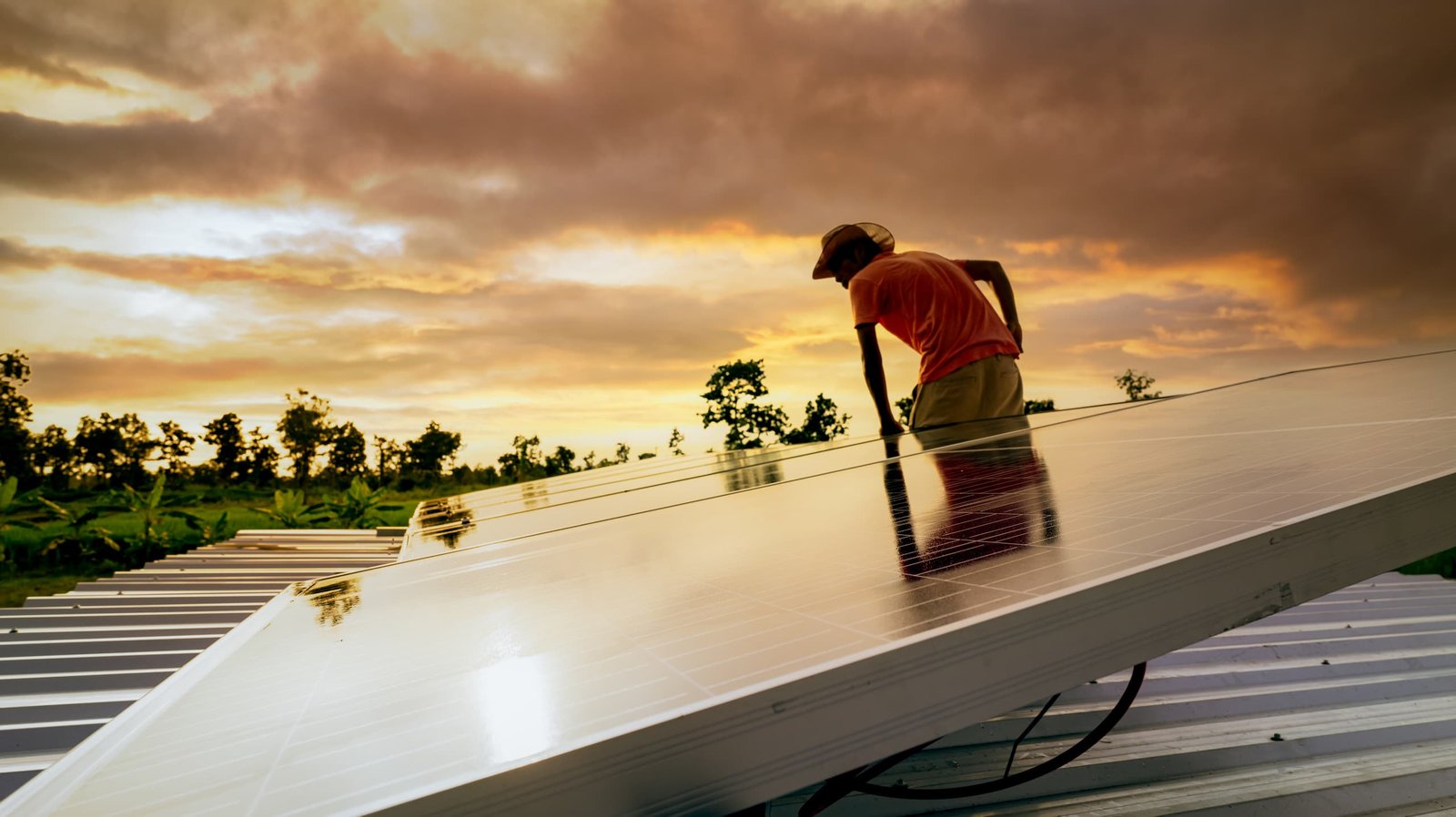
A man carrying a large solar panel across a farmyard.

Example: Savings for a Typical SC Home

A home using 1,000 kWh/month with a 6 kW solar system can:

  • Generate $80–$140/month in bill credits with Dominion or Duke

  • Only earn $40–$60/month in credits with most co-ops


🌱 Solar for Business: Added Advantages

  • Tax Incentives: Commercial solar systems qualify for federal tax credits, MACRS depreciation, and local rebates.

  • Demand Charge Reduction: Many TOU rates help reduce costly demand spikes.

  • Marketing Benefit: Going solar boosts green credibility for your brand.


💡 Key Takeaways for SC Homeowners & Businesses

Provider Net Metering Rate Credit Value Ideal For
Dominion Energy Full retail (legacy) ★★★★☆ Traditional solar setups
Duke Energy (DEC/DEP) Time-of-Use + incentives ★★★★★ Savvy energy users
Electric Cooperatives Avoided cost ★★☆☆☆ Rural homes & farms

🛠 Ready to Offset Your Bill and Go Green?

At AP Sun Energy, we custom-design solar systems that match your energy goals and utility provider. Whether you’re in Columbia, Greenville, Charleston, or a rural town, we’ll help you maximize your solar return and navigate net metering policies seamlessly.

➕ Want a FREE Energy Savings Report?

Book your free solar consultation today!

📞 Call us at 1-888-956-8889

Solar panels installed on a South Carolina home to offset energy costs with utility net metering

1-888-956-8889
🌐 Visit www.APSunEnergy.com
📍 Serving all of South Carolina with local installation teams


As the world shifts toward cleaner and more sustainable energy, homeowners have a unique opportunity to join the movement while saving money and increasing their property’s value. With government incentives and programs supporting the transition to renewable energy, going solar has never been more appealing. At AP Sun Energy, we’re here to guide you every step of the way.

reviewing solar tax credit savings
Homeowners can save thousands on solar installation costs through federal and state tax credits. Discover how solar makes financial sense with AP Sun Energy.

1. Financial Savings Through Tax Credits

One of the most significant benefits of solar energy is the federal Investment Tax Credit (ITC). Homeowners who install solar panels can receive a 30% tax credit on the total cost of their system. This program can save thousands of dollars, making solar more affordable for families nationwide.

Many states and municipalities also offer additional rebates and incentives, further reducing installation costs. At AP Sun Energy, we help you navigate these opportunities to maximize your savings.

2. Lower Energy Bills for the Long Term

Once your solar panels are installed, you can generate your own electricity, reducing your monthly utility bills. In many cases, homeowners save hundreds—if not thousands—of dollars annually. Some states also offer net metering, where you can sell excess energy back to the grid, further increasing your savings.

3. Increased Property Value

Contemporary home with solar panels installed on the roof, highlighting renewable energy solutions
A sleek, contemporary house featuring solar panels installed by AP Sun Energy, blending clean energy with modern architectural design

Studies show that homes with solar panels sell for higher prices compared to those without. Buyers value energy efficiency and lower utility costs, making solar a smart investment for the future. Government initiatives promoting clean energy only enhance the appeal of solar-powered homes.

4. Energy Independence

A sleek solar battery system installed on a wall in a modern home by AP Sun Energy, with a glowing indicator light and solar panels visible in a garage
AP Sun Energy’s advanced solar battery solutions ensure reliable energy storage for your home or business, maximizing the benefits of solar power day and night

Solar energy allows you to reduce your dependence on utility companies, protecting you from fluctuating energy rates. When paired with battery storage, you can even store excess energy for nighttime use or power outages, offering peace of mind and uninterrupted power.

5. Environmental Impact

Concept of the environment World Earth Day. Protect clean planet, saving environment and ecology.

Switching to solar energy reduces your carbon footprint and supports a cleaner, greener planet. Every homeowner who goes solar contributes to the global effort to reduce greenhouse gas emissions and combat climate change.

6. Job Creation and Economic Growth

Government incentives for solar energy also contribute to the creation of thousands of jobs in the renewable energy sector. By choosing AP Sun Energy, you’re supporting local workers and contributing to economic growth in your community.

7. Low Maintenance and Long-Term Reliability

Solar panels are durable and require minimal maintenance. With warranties typically lasting 20–25 years, you can enjoy clean energy and peace of mind for decades.

Make the Switch with AP Sun Energy

At AP Sun Energy, we specialize in helping homeowners take advantage of the financial and environmental benefits of solar energy. From guiding you through government incentives to designing the perfect solar system for your home, we’re with you every step of the way.

Contact us today for a free consultation and see how you can save money, increase your property value, and embrace a sustainable future with solar energy.

Share Our Post On Linkedin

As energy costs continue to rise and concerns about the environment grow, more homeowners are making the switch to solar energy. Solar panels offer an incredible opportunity to save money, reduce your carbon footprint, and even increase the value of your property. AP Sun Energy is here to guide you through the transition to clean, renewable energy with customized solutions for your home. In this blog, we’ll explore the top benefits of solar energy and why it’s a smart investment.


Contemporary home with solar panels installed on the roof, highlighting renewable energy solutions
A sleek, contemporary house featuring solar panels installed by AP Sun Energy, blending clean energy with modern architectural design

1. Significant Savings on Energy Bills

One of the most appealing benefits of solar energy is the potential for substantial savings on your electricity bills.

  • Solar panels allow you to generate your own electricity, reducing or even eliminating your reliance on the grid.
  • With net metering, you can earn credits for excess electricity sent back to the grid, further lowering your costs.
  • Over the lifespan of your system, these savings can add up to tens of thousands of dollars.

2. Protection Against Rising Energy Costs

Utility rates tend to increase over time, but solar panels help you lock in predictable energy costs.

  • By producing your own power, you shield yourself from volatile energy prices.
  • Battery storage systems, offered by AP Sun Energy, can further enhance your energy independence by storing excess power for use during peak rate periods.

3. Federal and State Incentives Make Solar Affordable

Going solar has never been more affordable, thanks to generous federal and state incentives.

  • The Federal Solar Investment Tax Credit (ITC) allows you to deduct 30% of your system’s cost from your federal taxes.
  • Many states offer additional rebates, tax credits, and performance-based incentives (PBIs).
  • AP Sun Energy ensures you take full advantage of all available programs to reduce your upfront costs.

4. Increase Your Home’s Value

Installing solar panels can boost your property’s market value.

  • Studies show that homes with solar energy systems sell faster and at higher prices than homes without.
  • Buyers are increasingly drawn to the energy savings and environmental benefits of solar-powered homes.

5. Environmentally Friendly Energy Source

Solar energy is one of the most eco-friendly power sources available.

  • By switching to solar, you reduce your carbon footprint and help combat climate change.
  • Solar panels produce clean, renewable energy without emitting harmful greenhouse gases.
  • Over its lifetime, a typical solar system offsets several tons of CO2 emissions, equivalent to planting hundreds of trees.

6. Low Maintenance and Long Lifespan

Solar panels are designed for durability and require minimal maintenance.

  • Most systems come with warranties of 25 years or more, ensuring long-term reliability.
  • Occasional cleaning and inspections by professionals, like the team at AP Sun Energy, keep your system operating at peak performance.

7. Energy Independence

With solar panels, you’re less reliant on utility companies and fossil fuels.

  • Adding a solar battery system provides backup power during outages, keeping your home running even when the grid goes down.
  • Energy independence offers peace of mind and enhances your home’s resilience.

8. Support for the Local Economy

Choosing solar supports local businesses and creates jobs in your community.

  • AP Sun Energy is proud to be part of the growing solar industry, contributing to a sustainable future while boosting the local economy.

Why Choose AP Sun Energy for Your Solar Installation?

At AP Sun Energy, we’re committed to making solar energy accessible and hassle-free for homeowners.

  • Customized Solutions: We design systems tailored to your home’s energy needs and roof layout.
  • Expert Installation: Our certified professionals ensure a seamless and high-quality installation process.
  • Comprehensive Support: From incentive paperwork to system maintenance, we’re with you every step of the way.
  • Proven Results: Our customers save money, reduce their environmental impact, and enjoy the benefits of renewable energy.

Start Your Solar Journey with AP Sun Energy

Solar energy is more than just a trend—it’s a long-term investment in your home, finances, and the planet. By partnering with AP Sun Energy, you’ll enjoy the benefits of a top-tier solar installation company dedicated to your success. Contact us today for a free consultation and take the first step toward a brighter, more sustainable future.


Switching to solar energy is not only a sustainable choice but also an opportunity to save significantly with available federal and state tax credits. At AP Sun Energy, we aim to help homeowners understand how to maximize these incentives and make solar energy more affordable. This blog explores the key factors that determine eligibility for federal and state tax credits for solar energy systems.


An accountant filing federal and state tax credit paperwork for a client of AP Sun Energy, with documents and a laptop on a desk
Business Financing Accounting Banking Concept

Understanding the Federal Solar Investment Tax Credit (ITC)

The Federal Solar Investment Tax Credit (ITC) allows homeowners to deduct a portion of their solar installation costs from their federal taxes. Here’s what determines your eligibility:

1. Ownership of the Solar Energy System

  • You must own the solar system outright, either by purchasing it outright or through financing.
  • Leased systems or Power Purchase Agreements (PPAs) do not qualify since the solar provider retains ownership.

2. Residential Use

  • The ITC applies to solar systems installed on residential properties, including primary homes, secondary homes, and even some rental properties.

3. Installation Date

  • The solar system must be installed and operational within the eligibility window.
  • As of 2025, the ITC provides a 30% tax credit for systems installed between 2022 and 2032.

4. Tax Liability

  • To claim the ITC, you must have sufficient federal tax liability. If your tax liability is less than the credit amount, you can roll over the unused credit to future tax years.

State Tax Credits and Incentives

Each state offers unique incentives for solar energy. These may include tax credits, rebates, and performance-based incentives (PBIs).

1. Residency Requirements

  • Most state solar tax credits require that the solar installation be on a property within the state.

2. Compliance with State Programs

  • Systems must often be installed by certified contractors, such as AP Sun Energy, to qualify for state-specific programs.
  • Some states require compliance with specific energy-efficiency standards or pre-approval for incentives.

3. Net Metering Eligibility

  • States offering net metering programs may require homeowners to connect their systems to the grid to qualify for tax credits or rebates.

4. Additional Local Incentives

  • Some municipalities and utility companies provide additional rebates or incentives, further enhancing your solar savings.

Other Factors Affecting Tax Credit Eligibility

Home Renovations or New Construction

  • Solar systems installed on new builds qualify for the same federal and state tax credits as retrofitted systems.
  • Ground-mounted systems also qualify as long as they meet other eligibility requirements.

Energy Storage Systems

  • In many cases, adding a battery storage system to your solar installation is also eligible for federal and state incentives.

System Size and Cost

  • Larger systems with higher costs may result in greater tax credit savings, as the percentage applies to the total installation cost.

Documentation Requirements

  • Keep detailed records of your solar installation, including invoices, permits, and contracts, to ensure seamless filing for federal and state tax credits.

How AP Sun Energy Can Help

Navigating federal and state solar incentives can be complex, but AP Sun Energy is here to guide you every step of the way. Our team will:

  • Evaluate your home’s solar potential and discuss financing options.
  • Ensure your installation meets federal and state requirements for maximum incentives.
  • Assist with all necessary paperwork and documentation to claim your credits.

Key Benefits of Federal and State Solar Tax Credits

  • Lower Upfront Costs: Reduce the total cost of installation with credits and rebates.
  • Accelerated ROI: Recover your solar investment faster with significant savings.
  • Environmental Impact: Enjoy cleaner, renewable energy while lowering your carbon footprint.

Take Advantage of Solar Tax Credits Today!

The federal and state tax credits for solar energy make going solar more affordable than ever. By partnering with AP Sun Energy, you can maximize your savings and transition to renewable energy with confidence. Contact us today for a free consultation and start your journey to energy independence.


When considering solar energy for your home, several factors come into play to determine if your property is a good candidate for solar panel installation. Investing in solar energy is a significant step toward sustainability and cost savings, but not all homes are equally suited for it. Here, we’ll break down the key factors to consider before making the switch to solar with AP Sun Energy.


1. Roof Orientation and Tilt

A modern house with solar panels installed on its roof under a sunny sky
Solar panels on a rooftop showcase the growing adoption of renewable energy solutions for homeowners

The orientation and angle of your roof play a critical role in solar energy production.

  • South-facing roofs in the Northern Hemisphere receive the most sunlight, making them ideal for solar panels.
  • A roof tilt between 15-40 degrees is typically optimal for maximizing sunlight capture throughout the year.
  • Homes with east- or west-facing roofs can still benefit from solar, but production efficiency might be slightly reduced.

If your roof doesn’t meet these criteria, ground-mounted systems or solar trackers might be viable alternatives.


2. Roof Condition and Age

Before installing solar panels, it’s essential to evaluate the structural integrity of your roof.

  • Newer roofs or those in good condition are preferable, as they can support solar panels for their 25+ year lifespan.
  • If your roof requires repairs or replacement soon, it’s best to address those issues first.
  • Materials like asphalt shingles, metal, or concrete tiles are compatible with most solar mounting systems.

3. Sunlight Exposure

Your home’s access to sunlight throughout the day is a critical determinant of solar energy production.

  • Homes with minimal shading from trees, nearby buildings, or chimneys will generate more electricity.
  • Tools like solar irradiance maps or professional site assessments can determine your location’s solar potential.

4. Local Climate

While solar panels perform best in sunny regions, they can still be effective in areas with variable weather.

  • Panels can generate electricity even on cloudy days, though output will be reduced.
  • Regions with consistent sunlight, like the southwestern United States, offer the best return on investment.

5. Energy Consumption and Goals

Understanding your household’s energy needs is crucial for designing an efficient solar system.

  • Review your monthly energy bills to estimate your electricity usage.
  • Determine whether you want to offset all or part of your energy consumption with solar.

For homeowners planning future energy needs—like adding electric vehicles or expanding living spaces—consider a system that can accommodate increased consumption.


6. Local Incentives and Regulations

Solar energy policies and incentives vary by location, influencing the financial feasibility of going solar.

  • Federal tax credits like the Investment Tax Credit (ITC) can significantly reduce upfront costs.
  • Many states and municipalities offer additional rebates, tax breaks, or net metering programs.
  • Check for HOA regulations or permitting requirements that might impact installation.

7. Utility Costs and Rates

High electricity rates often make solar energy more attractive.

  • If your area has time-of-use rates, solar panels paired with battery storage can help you save during peak pricing hours.
  • Compare your current utility rates to potential savings with solar to gauge the financial benefits.

8. Space for Solar Equipment

Beyond the roof, consider where the supporting components will go.

  • You’ll need room for an inverter (converts solar energy to usable electricity) and potentially a battery system for energy storage.
  • These components are typically installed in a garage, basement, or exterior wall.

Conclusion

Determining if your home is a good candidate for solar involves evaluating your roof, sunlight exposure, energy needs, and local policies. A professional site assessment by AP Sun Energy can help you understand your property’s solar potential and design a system tailored to your needs.

With the right conditions, solar energy can reduce your utility bills, increase your home’s value, and contribute to a cleaner environment. Contact AP Sun Energy today for a free consultation and take the first step toward energy independence!


This blog post is optimized with long-tail keywords like “what determines if a home is a good candidate for solar,” “solar panel installation factors,” and “how to know if your roof is good for solar.” Let me know if you’d like additional edits or a specific tone!

Call now ! 1.888.956.8889
Scroll to Top